Pest Infestation in an Apartment Building: Stop It Fast

A pest infestation in an apartment building rarely stays in one unit. Mice, roaches, and other pests move through shared walls, pipe chases, and hallways, so what looks like one tenant’s problem is usually the building’s problem within a few weeks. If a pest report just landed on your desk, here’s how to contain it fast, fix what caused it, and keep it from coming back.
It’s tempting to treat every report as a one-off: send the tenant a trap or a can of spray and close it out. That works for a stray ant trail. It doesn’t work for mice or roaches, which breed fast and travel between units through the same gaps your pipes and cables use. By the time a second unit reports the same pest, you’re usually already behind.
Confirm what you’re dealing with
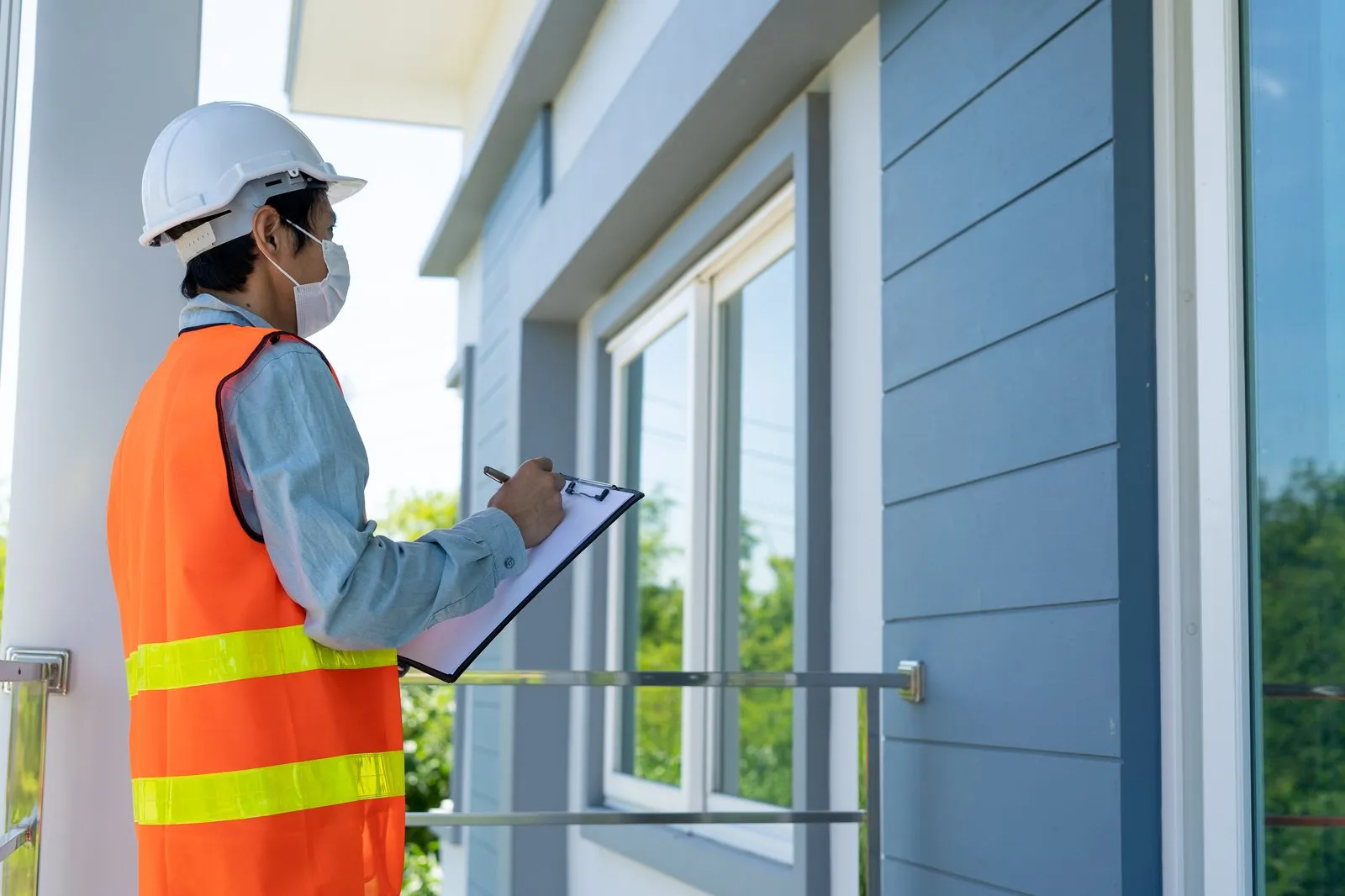
Ask the tenant for a photo or a clear description before you send anyone out. A general pest control company usually covers mice, rats, and roaches on one visit, treating each differently: bait stations and snap traps for mice and rats, gel bait plus a look at sanitation for roaches, since one seen in daylight usually means many more hiding out of sight. Bed bugs are the exception. They need a specialized heat or chemical treatment that’s a different service entirely, so misidentifying them costs you a second visit. Mice, rats, and roaches breed within weeks, so treat those fast. Bed bugs spread more slowly through a building but generate the most tenant complaints, so don’t let that report sit either.
Call a licensed exterminator, not a quick fix
Store-bought traps buy you a few days at best. Before you commit to a pest control company, it’s worth checking reviews and calling one or two for a rough estimate, so the invoice doesn’t surprise you after the work is done. Once you’ve picked one, book within 24 to 48 hours of a confirmed sighting. Many offer a building-wide inspection for close to the cost of a single-unit visit, which is cheap next to what a spreading infestation costs an investor in repairs and tenant turnover later.
If you set traps yourself
If you or the tenant sets traps while waiting on the exterminator, more is better than fewer: mice rarely stick to one path, so a single trap in the wrong spot often just means an empty trap and a longer wait. Beyond that, it’s worth weighing your options rather than defaulting to whatever is cheapest. Glue boards are easy to place, but many consider them inhumane since a caught animal can take a long time to die. Snap traps kill quickly when set correctly, which some see as the more humane route. Live-catch traps let you release the animal unharmed, but only if you check them often: left too long, a trapped mouse can die from the stress anyway, and releasing it too close to the building usually means it just finds its way back.
Give the neighboring units a heads-up
Tell the units above, below, and next door as soon as you know there’s a problem. If they’re your tenants, have the exterminator check their unit in the same visit: pests move through shared walls and utility chases before anyone notices, so you catch the spread instead of chasing it one unit at a time. If they’re not your tenants, for example in a building with mixed ownership, just let them know when the exterminator is coming. They can often arrange their own check at the same time, usually at a lower rate since the technician is already on site.
Fix the entry point, not just the symptom
Gaps around pipes, gaps under doors, and open garbage areas are what let pests in and back in. Ask the exterminator to point out the entry point on the visit, and get it sealed that same week, or the infestation comes back within a month.
Log every report by unit
Track pest reports the way you track any other maintenance issue: by unit, by date, by what was found. Two reports in the same stack within a month isn’t a coincidence, it’s a pattern, and it tells you where to inspect next before a third tenant complains. If you’re running more than one building, this is exactly the kind of pattern an asset manager needs visibility into before it turns into a bigger repair bill.
FAQ
Who pays for pest control, the landlord or the tenant?
In most places, the landlord covers pre-existing or building-wide infestations, and a tenant may be on the hook if their own habits caused it: uncollected garbage, for example. Rules differ by country and sometimes by city, so check local landlord-tenant law before charging anyone for extermination.
How fast should I respond to a pest report?
Within 24 to 48 hours for the first inspection. Mice and roaches breed quickly, and a week or two of delay is often the difference between a one-unit job and a building-wide one.
Does one mouse mean I have an infestation?
Not necessarily, but treat it as a possibility until a professional says otherwise. Mice rarely travel alone, and a single sighting is reason enough to check the neighboring units.
Takeaway
A pest infestation in an apartment building is a speed problem before it’s a treatment problem. Confirm it fast, call a professional instead of relying on a DIY fix, check the neighboring units, seal the entry point, and log every report so the next one doesn’t catch you by surprise. AIRE gives every maintenance report a status your tenants can see and a history you can check by unit, so a second report in the same stack is obvious instead of buried in someone’s inbox.