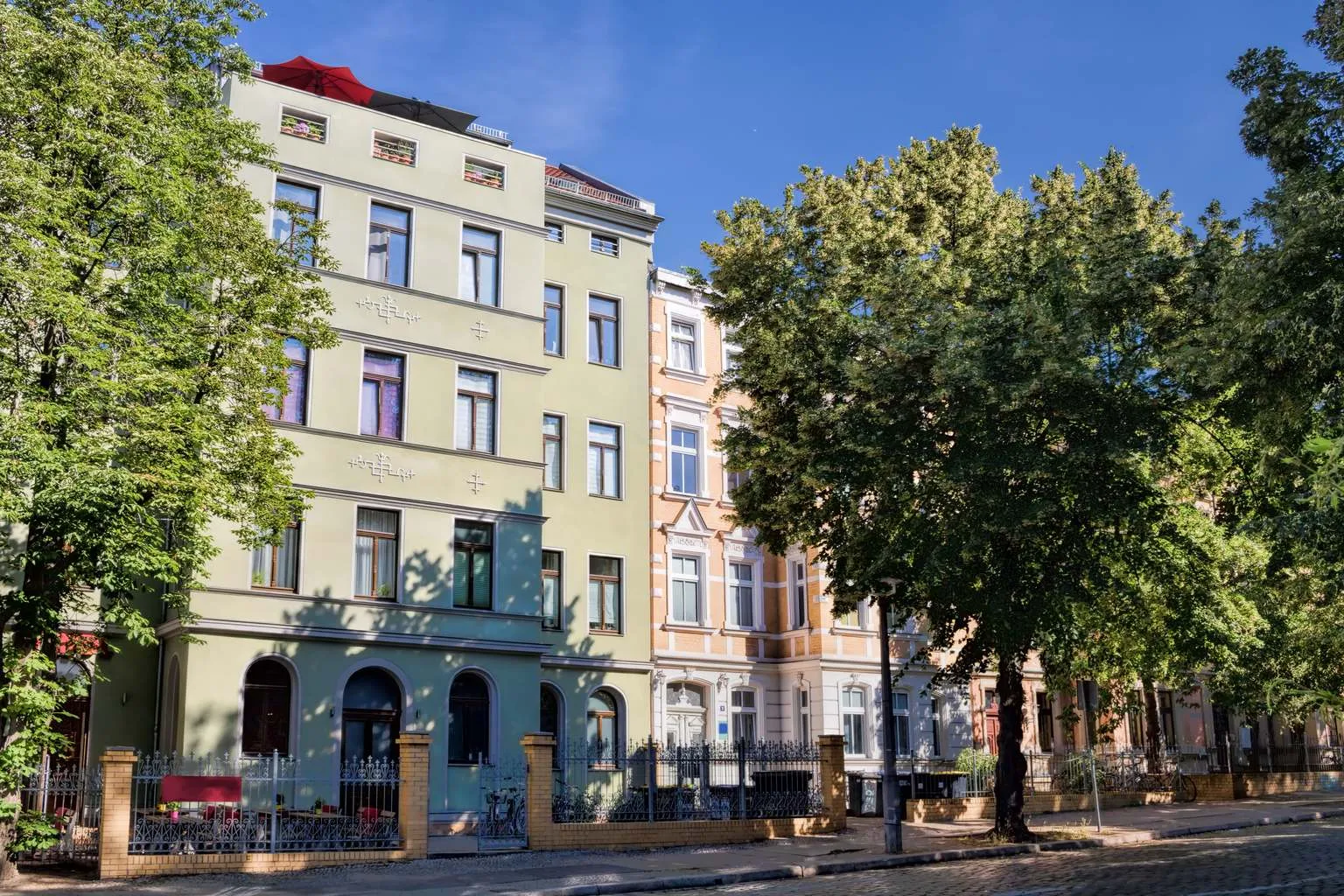
Building community in apartments: boost retention
Building community in apartments is one of the most reliable ways to keep residents from leaving. For property managers, stronger ties between neighbors mean higher lease renewals and lower turnover. Here is why it pays, and how to pull it off.
Community is a retention lever
A resident who knows none of their neighbors is 29% likely to renew; one who knows seven or more is 47% likely. In separate research, residents ranked “sense of community” as the second-strongest reason they renew, out of 27 factors. Every renewal you win is vacancy days, make-ready spend, and marketing cost you avoid. That makes community a direct input to returns for property investors and asset managers, not a nice-to-have.
Why buildings feel anonymous
The default state of an apartment building is strangers sharing a front door. More people live alone, renters move more often, and loneliness is now a measured issue across Europe: about 13% of Europeans feel lonely most of the time. The groups most affected, single people and single parents, are the ones who fill apartments. The day-to-day symptom for managers is communication chaos: news scattered across paper notices, email, and three WhatsApp groups.
How to build community in your building
You cannot order people to be friends. What keeps neighbors apart is rarely dislike, it is hesitation. Everyone waits for someone else to go first, and in a hallway of strangers, no one does. So your job is not to push people together. It is to take the awkwardness out of that first step by creating small, low-stakes moments where saying hello is the obvious thing to do.
Most of it comes down to timing. The week someone moves in is when they are most open and know no one yet, so it is the best chance you get. A quick welcome that shows them around, points out where things happen, and introduces a neighbor or two turns a stranger into a familiar face instead of a name on a mailbox. Get that first week right and the rest comes easier.
It also helps to have one obvious place to keep up with building life. When notices, events, and the odd neighborly question all sit in the same spot instead of being scattered everywhere, people actually follow what is going on, and they start to chime in themselves.
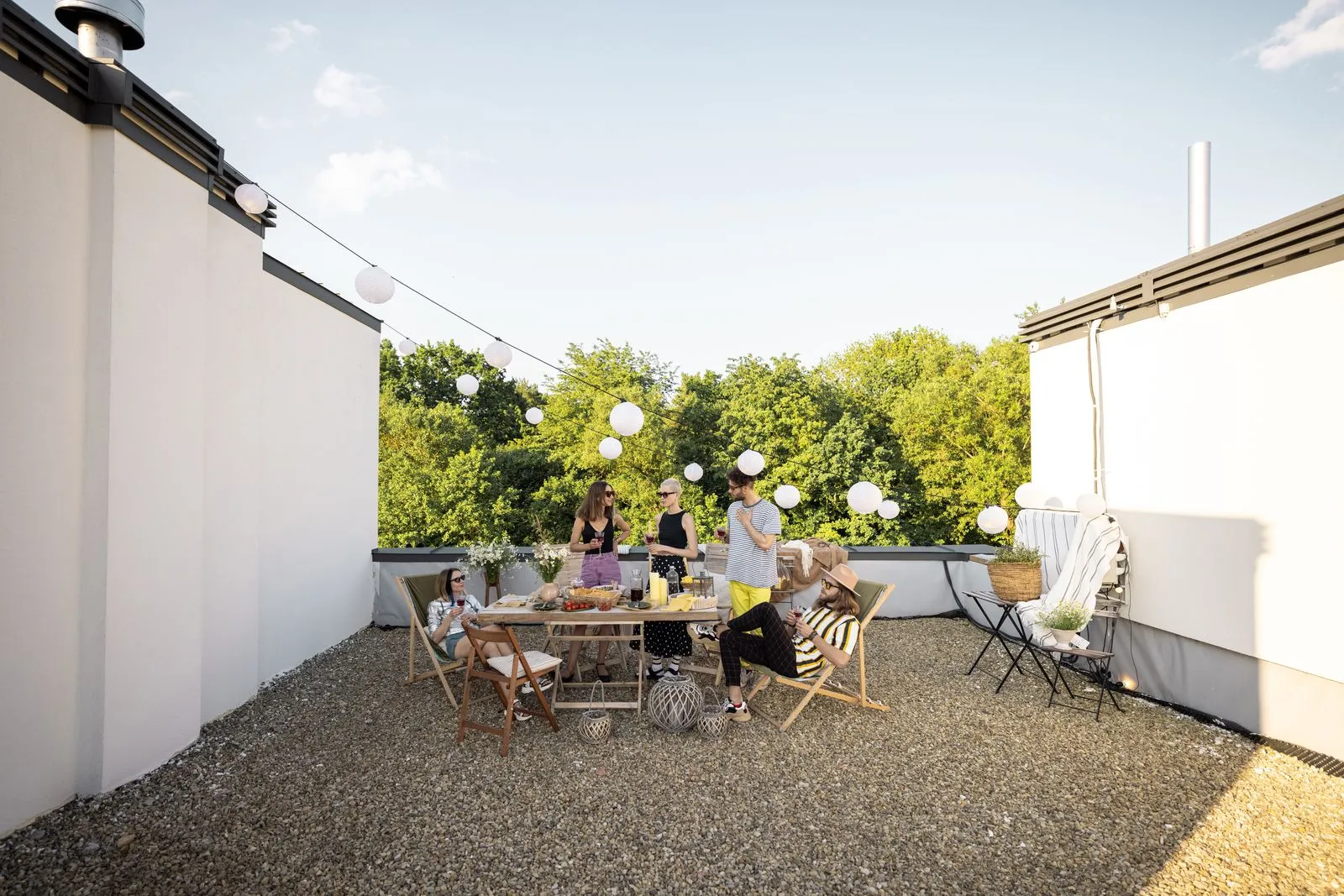
Then give them a reason to be in the same place at the same time. Events do the trick, but only the ones people actually want, so it is worth asking before you plan anything. Shared spaces pull their weight too. A lounge or a roof terrace only becomes a meeting point if people can easily grab it for a birthday or a Friday drink. None of this has to be elaborate. Small and regular beats big and rare.
FAQ
Does building community actually reduce turnover?
Yes. Residents who know seven or more neighbors are 47% likely to renew, versus 29% for those who know none. Sense of community also ranks as the second-strongest renewal factor in resident surveys.
What is the fastest way to start?
Nail the move-in experience and move all building communication into one reliable channel. Both are low cost and set the foundation.
Can software create community on its own?
No. Software centralizes building life and removes friction. The connection itself comes from residents and the moments you design for them.
Takeaway
You do not need anything fancy to get going. A warm welcome, one easy place to keep people in the loop, and a few low-key reasons to show up will carry you a long way. The connection itself always comes from your residents, never from the admin behind it.
When you do want to run the notices, events, chat, and amenity bookings from one place instead of juggling five, that is the kind of thing AIRE is built to handle, quietly and behind your own building’s brand. It keeps the community side from getting buried in everything else you manage. The hellos are still up to the neighbors.